

中国核心期刊要目总览
中国科技核心期刊
CSCD数据库源刊
中国科技核心期刊
CSCD数据库源刊
ACTA THERIOLOGICA SINICA ›› 2026, Vol. 46 ›› Issue (5): 670-687.DOI: 10.16829/j.slxb.151213
• REVIEWS • Previous Articles Next Articles
Wenjing SHEN1, Xin ZHANG1, Peng GAO1, Jing WEN2( ), Tingbei BO1()
Received:2026-04-30
Accepted:2026-06-11
Online:2026-09-30
Published:2026-10-12
Contact:
Jing WEN, Tingbei BO
沈文静1, 张鑫1, 高鹏1, 闻靖2(), 薄亭贝1()
通讯作者:
闻靖,薄亭贝
作者简介:沈文静(2003- ),女,硕士,主要从事动物生理生态学研究.
基金资助:CLC Number:
Wenjing SHEN, Xin ZHANG, Peng GAO, Jing WEN, Tingbei BO. Proposed operational framework for fecal microbiota transplantation in wildlife: from theoretical foundation to conservation applications[J]. ACTA THERIOLOGICA SINICA, 2026, 46(5): 670-687.
沈文静, 张鑫, 高鹏, 闻靖, 薄亭贝. 野生动物粪菌移植的建议性操作框架——从理论基础到保护应用[J]. 兽类学报, 2026, 46(5): 670-687.
Add to citation manager EndNote|Ris|BibTeX

Fig. 1 Schematic diagram of the theoretical basis for wildlife FMT. This figure integrates four core theoretical modules: natural transmission routes of gut microbiota (vertical, horizontal, environmental acquisition), drivers of intraspecific gut microbiota variation (diet, captivity, geographic isolation), ecological principles of gut microbiota colonization (colonization resistance, vacant ecological niche, microbiota ecological stability), and microbiota‑host interaction mechanisms (immune, energy metabolic, and gut‑brain axis regulation mediated by metabolites). These theories collectively provide the foundation for applying FMT in wildlife conservation and directly guide the design of the three operational dimensions: selection of donors, technical implementation, and effectiveness evaluation. This figure is a theoretical schematic and requires validation with specific species and scenarios
应用方向 Application direction | 具体目标 Specific objectives | 供体筛选核心标准 Core donor selection criteria | 案例文献 Case references |
|---|---|---|---|
个体健康恢复 Individual health restoration | 腹泻治疗、炎症缓解、菌群失调恢复、屏障修复、提高存活率 Diarrhea treatment, inflammation alleviation, restoration of dysregulated microbiota, intestinal barrier repair, and survival rate improvement | 健康状态优先;无腹泻及慢性疾病史;体况良好 Healthy status; no history of diarrhea or chronic diseases; good physical condition | |
营养与代谢调控 Nutrition and metabolic regulation | 提高消化效率、改善能量利用、体质量恢复、适应食物变化 Improve digestive efficiency, enhance energy utilization, facilitate weight recovery, and adapt to food changes | 饮食匹配;体况良好 Diet matching; good physical condition | |
抗病能力与定植抵抗 Disease resistance and colonization resistance | 抑制病原菌、增强定植抵抗、降低群体疾病风险 Inhibit pathogenic bacteria, enhance colonization resistance, and reduce the risk of disease in the population | 病原体低携带;菌群多样性高;群体健康背景良好 Low carrier of pathogens; high diversity of microbiota; the group has a good health background | |
行为与神经调节 Behavior and neural regulation | 缓解应激、减少刻板行为、改善社会行为、促进适应 Relieve stress, reduce stereotyped behaviors, improve social behaviors, and promote adaptation | 行为稳定;低应激来源 Stable behavior; low stress sources | |
生态适应与环境匹配 Ecological adaptation and environmental matching | 放归适应、饮食转变、恢复野生菌群、环境耐受 Release adaptation, dietary changes, restoration of wild flora, and environmental tolerance | 来源匹配;饮食匹配;野生来源优先;栖息地匹配 Source matching; dietary matching wild sources are preferred; habitat matching | |
繁殖与发育支持 Reproductive and developmental support | 提高繁殖成功率、促进幼体菌群建立、提高存活率 Improve the success rate of reproduction, promote the establishment of the offspring gut microbiota, and increase the survival rate | 母源优先;良好繁殖史;妊娠/哺乳期健康 Mother source priority; good reproductive history; health during pregnancy/lactation |
Table 1 Core criteria for donor selection under different application purposes of wildlife FMT
应用方向 Application direction | 具体目标 Specific objectives | 供体筛选核心标准 Core donor selection criteria | 案例文献 Case references |
|---|---|---|---|
个体健康恢复 Individual health restoration | 腹泻治疗、炎症缓解、菌群失调恢复、屏障修复、提高存活率 Diarrhea treatment, inflammation alleviation, restoration of dysregulated microbiota, intestinal barrier repair, and survival rate improvement | 健康状态优先;无腹泻及慢性疾病史;体况良好 Healthy status; no history of diarrhea or chronic diseases; good physical condition | |
营养与代谢调控 Nutrition and metabolic regulation | 提高消化效率、改善能量利用、体质量恢复、适应食物变化 Improve digestive efficiency, enhance energy utilization, facilitate weight recovery, and adapt to food changes | 饮食匹配;体况良好 Diet matching; good physical condition | |
抗病能力与定植抵抗 Disease resistance and colonization resistance | 抑制病原菌、增强定植抵抗、降低群体疾病风险 Inhibit pathogenic bacteria, enhance colonization resistance, and reduce the risk of disease in the population | 病原体低携带;菌群多样性高;群体健康背景良好 Low carrier of pathogens; high diversity of microbiota; the group has a good health background | |
行为与神经调节 Behavior and neural regulation | 缓解应激、减少刻板行为、改善社会行为、促进适应 Relieve stress, reduce stereotyped behaviors, improve social behaviors, and promote adaptation | 行为稳定;低应激来源 Stable behavior; low stress sources | |
生态适应与环境匹配 Ecological adaptation and environmental matching | 放归适应、饮食转变、恢复野生菌群、环境耐受 Release adaptation, dietary changes, restoration of wild flora, and environmental tolerance | 来源匹配;饮食匹配;野生来源优先;栖息地匹配 Source matching; dietary matching wild sources are preferred; habitat matching | |
繁殖与发育支持 Reproductive and developmental support | 提高繁殖成功率、促进幼体菌群建立、提高存活率 Improve the success rate of reproduction, promote the establishment of the offspring gut microbiota, and increase the survival rate | 母源优先;良好繁殖史;妊娠/哺乳期健康 Mother source priority; good reproductive history; health during pregnancy/lactation |
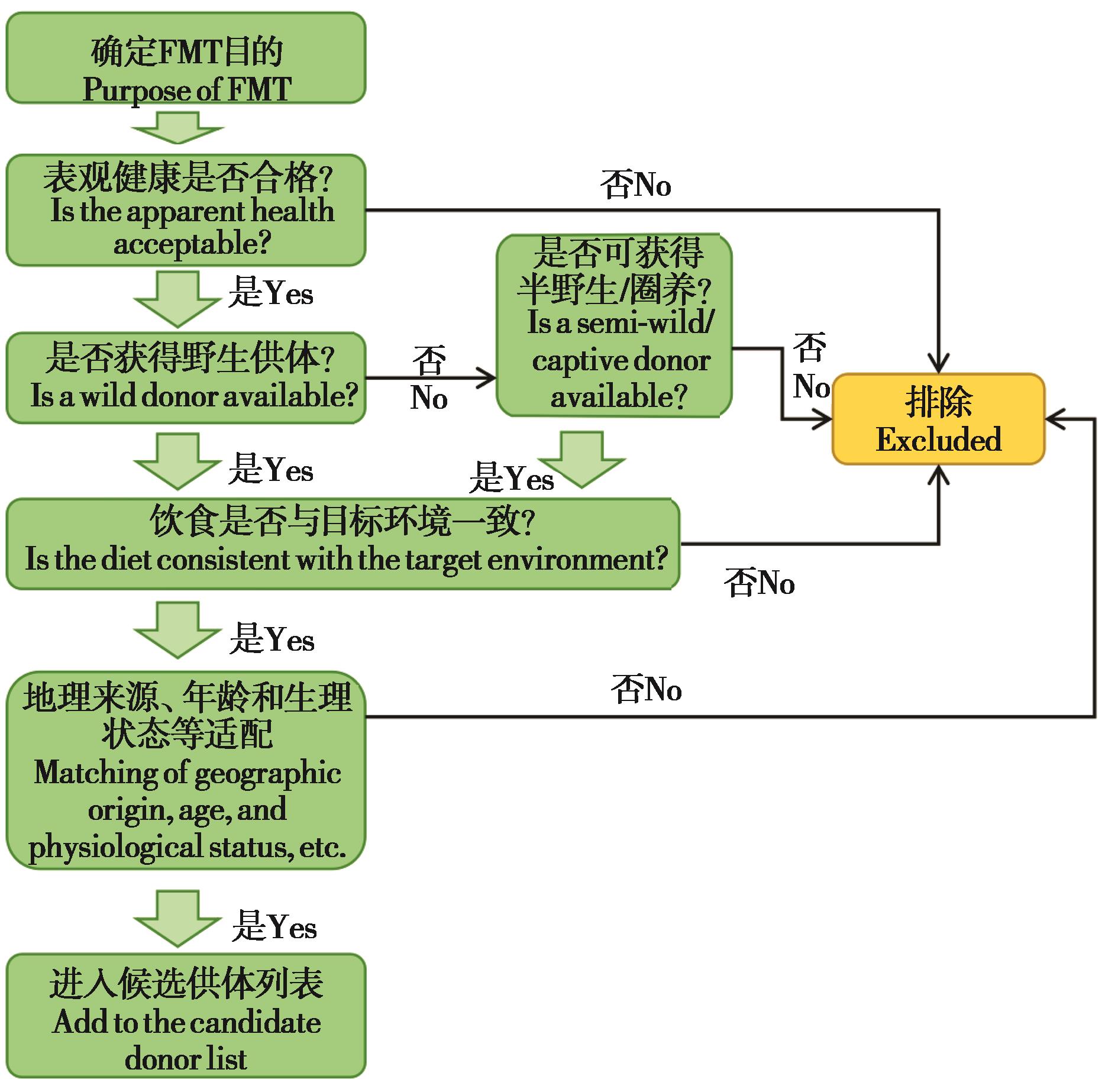
Fig. 2 Flow chart for donor screening suggestions of wildlife FMT
物种 Species | FMT目的 Purpose of FMT | 供体来源 Donor source | 受体来源 Recipient source | 表观健康 Apparent health | 病原/耐药筛查 Pathogen/drug resistance screening | 核心匹配 Core matching |
|---|---|---|---|---|---|---|
考拉[1] Phascolarctos cinereus (Blyton et al.,2019) | 生态适应与环境匹配/促进饮食转变 Ecological adaptation and environmental matching/pro-moting dietary transformation | 野生考拉 (以Eucalyptus obliqua 为主食) Wild koalas (mainly feeding on Eucalyptus obliqua) | 野生考拉 (圈养下) Wild koala (in captivity) | 健康成年 Health adult | 未提及 Not mentioned | 饮食匹配 Diet matching |
袋鼠[1] Osphranter sp. (Milliken,2019) | 个体健康恢复/治疗幼仔腹泻 Individual health recovery/treatment of diarrhea in cubs | 野生袋鼠 Wild kangaroo | 孤儿袋鼠幼仔 (圈养下) Orphan kangaroo cub (in captivity) | 健康成年 Health adult | 未提及 Not mentioned | 健康状态 Health condition |
二趾树懒[2] Choloepus didactylus(Thacher et al.,2023) | 个体健康恢复/治疗异常排便 Individual health recovery/ treatment of abnormal defecation | 圈养雄性二趾树懒 Captive male two‑toed sloths | 圈养雌性 二趾树懒 Captive female two‑toed sloths | 健康 Health | 基础粪便检查及 寄生虫筛查 Basic fecal examination and parasite screening | 健康状态/ 同圈舍匹配 Health condition/match the pen |
猎豹[2] Acinonyx jubatus (Bornbusch et al.,2024a) | 抗病能力与定植抵抗/加速 抗生素后肠道菌群恢复 Disease resistance and colonization resistance/acceleration of intestinal flora recovery after antibiotics | 圈养猎豹 Captive cheetahs | 圈养猎豹 Captive cheetahs | 健康 Health | 肠道病原和 寄生虫筛查 Screening for intestinal pathogens and parasites | 健康状态/ 自体匹配 Health condition/ self‑matching |
宽吻海豚[2] Tursiops truncatus (Linnehan et al.,2024) | 抗病能力与定植抵抗/治疗 胃肠疾病并恢复健康菌群 Disease resistance and colonization resistance/treatment of gastrointestinal diseases and restoration of healthy flora | 圈养海豚 Captive dolphins | 圈养海豚 Captive dolphins | 健康 Health | 细胞学、漂浮、培养、PCR、宏基因组等 多层次筛查 Multi‑level screening including cytology,floating, culture,PCR,metagenomics,etc | 健康状态 Health condition |
棕熊[3] Ursus arctos (Sommer et al.,2016) | 营养与代谢调控/探究季节性 能量代谢 Nutrition and metabolic regulation/exploring seasonal energy metabolism | 野生棕熊 (夏季 vs. 冬眠期) Wild brown bears (summer vs. hibernation period) | 无菌小鼠 (实验室) Germ‑free mice (laboratory) | 未提及 Not mentioned | 未提及 Not mentioned | 季节性 状态匹配 Seasonal state matching |
白喉林鼠[3] Neotoma albigula (Miller et al.,2017) | 营养与代谢调控/提高草酸 盐降解能力 Nutrition and metabolic regulation/enhancement of oxalate degradation capacity | 野生白喉林鼠(高草酸盐饮食,实验室 饲养30 d) Wild white-throated woodrats (high oxalate diet, laboratory rearing for 30 days) | 雌性大鼠 (实验室) Sprague‑Dawley (laboratory) | 未提及 Not mentioned | 未提及 Not mentioned | 饮食匹配 Diet matching |
大熊猫[3] Ailuropoda melanoleuca (Huang et al.,2022) | 生态适应与环境匹配/季节 性饮食适应 Ecological adaptation and environmental matching/ seasonal diet adaptation | 野生大熊猫 (秦岭种群,食笋/食叶) Wild giant pandas (Qinling population, bamboo shoots/leaves feeding) | 无菌小鼠 (实验室) Germ‑free mice (laboratory) | 健康成年 Healthy adult | 未提及 Not mentioned | 饮食匹配 Diet matching |
野猪[3] Sus scrofa (Rahman et al.,2025) | 抗病能力与定植抵抗/探究野生菌群对家猪肠道健康的影响 Disease resistance and colonization resistance/exploring the effects of wild flora on intestinal health of domestic pigs | 野生成年野猪 Wild adult wild boar | 家猪仔猪 Domestic piglets | 未提及 Not mentioned | 未提及 Not mentioned | 功能匹配 Function matching |
牦牛[3] Bos grunniens (Shi et al.,2026) | 营养与代谢调控/探究低蛋白 饮食下菌群调节适应性产热 Nutrition and metabolic regulation/exploration of adaptive thermogenesis regulated by microbiota under low‑protein diet | 野外放牧牦牛 Grazing yaks in the wild | 野生高原鼠兔 (实验室适应) Wild plateau pika (laboratory adapted) | 未提及 Not mentioned | 未提及 Not mentioned | 功能匹配 Function matching |
Table 2 Donor screening for wildlife FMT cases
物种 Species | FMT目的 Purpose of FMT | 供体来源 Donor source | 受体来源 Recipient source | 表观健康 Apparent health | 病原/耐药筛查 Pathogen/drug resistance screening | 核心匹配 Core matching |
|---|---|---|---|---|---|---|
考拉[1] Phascolarctos cinereus (Blyton et al.,2019) | 生态适应与环境匹配/促进饮食转变 Ecological adaptation and environmental matching/pro-moting dietary transformation | 野生考拉 (以Eucalyptus obliqua 为主食) Wild koalas (mainly feeding on Eucalyptus obliqua) | 野生考拉 (圈养下) Wild koala (in captivity) | 健康成年 Health adult | 未提及 Not mentioned | 饮食匹配 Diet matching |
袋鼠[1] Osphranter sp. (Milliken,2019) | 个体健康恢复/治疗幼仔腹泻 Individual health recovery/treatment of diarrhea in cubs | 野生袋鼠 Wild kangaroo | 孤儿袋鼠幼仔 (圈养下) Orphan kangaroo cub (in captivity) | 健康成年 Health adult | 未提及 Not mentioned | 健康状态 Health condition |
二趾树懒[2] Choloepus didactylus(Thacher et al.,2023) | 个体健康恢复/治疗异常排便 Individual health recovery/ treatment of abnormal defecation | 圈养雄性二趾树懒 Captive male two‑toed sloths | 圈养雌性 二趾树懒 Captive female two‑toed sloths | 健康 Health | 基础粪便检查及 寄生虫筛查 Basic fecal examination and parasite screening | 健康状态/ 同圈舍匹配 Health condition/match the pen |
猎豹[2] Acinonyx jubatus (Bornbusch et al.,2024a) | 抗病能力与定植抵抗/加速 抗生素后肠道菌群恢复 Disease resistance and colonization resistance/acceleration of intestinal flora recovery after antibiotics | 圈养猎豹 Captive cheetahs | 圈养猎豹 Captive cheetahs | 健康 Health | 肠道病原和 寄生虫筛查 Screening for intestinal pathogens and parasites | 健康状态/ 自体匹配 Health condition/ self‑matching |
宽吻海豚[2] Tursiops truncatus (Linnehan et al.,2024) | 抗病能力与定植抵抗/治疗 胃肠疾病并恢复健康菌群 Disease resistance and colonization resistance/treatment of gastrointestinal diseases and restoration of healthy flora | 圈养海豚 Captive dolphins | 圈养海豚 Captive dolphins | 健康 Health | 细胞学、漂浮、培养、PCR、宏基因组等 多层次筛查 Multi‑level screening including cytology,floating, culture,PCR,metagenomics,etc | 健康状态 Health condition |
棕熊[3] Ursus arctos (Sommer et al.,2016) | 营养与代谢调控/探究季节性 能量代谢 Nutrition and metabolic regulation/exploring seasonal energy metabolism | 野生棕熊 (夏季 vs. 冬眠期) Wild brown bears (summer vs. hibernation period) | 无菌小鼠 (实验室) Germ‑free mice (laboratory) | 未提及 Not mentioned | 未提及 Not mentioned | 季节性 状态匹配 Seasonal state matching |
白喉林鼠[3] Neotoma albigula (Miller et al.,2017) | 营养与代谢调控/提高草酸 盐降解能力 Nutrition and metabolic regulation/enhancement of oxalate degradation capacity | 野生白喉林鼠(高草酸盐饮食,实验室 饲养30 d) Wild white-throated woodrats (high oxalate diet, laboratory rearing for 30 days) | 雌性大鼠 (实验室) Sprague‑Dawley (laboratory) | 未提及 Not mentioned | 未提及 Not mentioned | 饮食匹配 Diet matching |
大熊猫[3] Ailuropoda melanoleuca (Huang et al.,2022) | 生态适应与环境匹配/季节 性饮食适应 Ecological adaptation and environmental matching/ seasonal diet adaptation | 野生大熊猫 (秦岭种群,食笋/食叶) Wild giant pandas (Qinling population, bamboo shoots/leaves feeding) | 无菌小鼠 (实验室) Germ‑free mice (laboratory) | 健康成年 Healthy adult | 未提及 Not mentioned | 饮食匹配 Diet matching |
野猪[3] Sus scrofa (Rahman et al.,2025) | 抗病能力与定植抵抗/探究野生菌群对家猪肠道健康的影响 Disease resistance and colonization resistance/exploring the effects of wild flora on intestinal health of domestic pigs | 野生成年野猪 Wild adult wild boar | 家猪仔猪 Domestic piglets | 未提及 Not mentioned | 未提及 Not mentioned | 功能匹配 Function matching |
牦牛[3] Bos grunniens (Shi et al.,2026) | 营养与代谢调控/探究低蛋白 饮食下菌群调节适应性产热 Nutrition and metabolic regulation/exploration of adaptive thermogenesis regulated by microbiota under low‑protein diet | 野外放牧牦牛 Grazing yaks in the wild | 野生高原鼠兔 (实验室适应) Wild plateau pika (laboratory adapted) | 未提及 Not mentioned | 未提及 Not mentioned | 功能匹配 Function matching |
物种 Species | 粪便采集/保存 Fecal collection/ preservation | 菌液制备 Bacterial solution preparation | 受体准备 Recipient preparation | 移植方式 Transplantation method | 频率与剂量 Frequency and dose |
|---|---|---|---|---|---|
考拉[1] Phascolarctos cinereus (Blyton et al.,2019) | 野外清晨采集,1 h内 处理 Collected in the early morning in the wild and processed within one hour | 与Ringer’s溶液混合,离心,灌装耐酸胶囊 Mix with Ringer’s solution, centrifuge, and fill acid‑resistant capsules | 未使用抗生素 No antibiotics were used | 口服胶囊 Oral administration capsules | 连续9 d,每天2粒新鲜胶囊 Take 2 fresh capsules each day for 9 consecutive days |
袋鼠[1] Osphranter sp. (Milliken,2019) | 未提及 Not mentioned | 压碎、过滤后混入无乳糖牛奶 After crushing and filtering, mix it into lactose‑free milk | 未提及 Not mentioned | 混饲 (奶嘴饲喂) Mixed feeding (feeding with a pacifier) | 每天4次,每次3 ~ 4颗粪便 颗粒 Take 3 to 4 fecal pellets, 4 times a day |
二趾树懒[2] Choloepus didactylus(Thacher et al.,2023) | 新鲜采集,-80 ℃保存 Freshly collected and stored at -80 ℃ | 第一轮直接悬于凝胶饮食,第二、三轮冻干研磨后灌装胶囊 The first round is directly suspended on the gel diet, and the second and third rounds are freeze‑dried and ground before being filled into capsules | 未提及 Not mentioned | 混饲(凝胶)或 口服胶囊 Mixed feeding (gel) or oral administration capsules | 第一轮连续4 d, 第二轮连续 10 d,第三轮连续14 d,每天 1次 The first round lasts for 4 consecutive days, the second round for 10 consecutive days, and the third round for 14 consecutive days, with one session per day |
猎豹[2] Acinonyx jubatus (Bornbusch et al.,2024a) | 自体粪便于抗生素治疗前21 d采集,-80 ℃冻存 Autologous feces were collected 21 days before antibiotic treatment and frozen at -80 ℃ | 解冻后取中心部分装入1 mL凝胶胶囊,每剂5粒 After thawing, take the central part and put it into 1 mL gel capsules, with 5 capsules per dose | 部分组接受7 d多西环素抗生素治疗(模拟临床治疗) Some groups received 7 days of doxycycline antibiotic treatment (simulating clinical treatment) | 口服胶囊 (藏于肉块中) Oral administration capsules (hidden in meat pieces) | 单次组:1次;多次组:每两周1次,共3次,5粒胶囊/次 Single group: 1 time; Multiple times Group: once every two weeks for a total of 3 times, 5 capsules each time |
宽吻海豚[2] Tursiops truncatus (Linnehan et al.,2024) | 经直肠导管采集新鲜粪便,部分直接使用,部分冻存 Fresh feces were collected through a rectal catheter. Some were used directly and some were frozen for storage | 将3 ~ 6个供体的冻存粪便与1个新鲜粪便混合,生理盐水调至65 mL Mix the frozen feces of 3 to 6 donors with 1 fresh feces, and adjust the normal saline to 65 mL | 禁食过夜 Overnight fasting | 直肠导管缓慢输注3 ~ 5 min,后保持体位15 min Slow rectal catheter infusion for 3 to 5 minutes, followed by maintaining the position for 15 minutes | 每周1次,共4周,然后每两周1次,共4次,每次65 mL Once a week for 4 weeks, then once every two weeks for 4 times, 65 mL each time |
棕熊[3] Ursus arctos (Sommer et al.,2016) | 野外采集 Field acquisition | 未提及 Not mentioned | 无菌小鼠无需抗生素 Germ‑free mice do not require antibiotics | 口服灌胃 Oral administration by gavage | 未提及 Not mentioned |
白喉林鼠[3] Neotoma albigula(Miller et al.,2017) | 野外捕获,实验室喂养30 d后采集新鲜粪便 Fresh feces are collected after 30 days of laboratory feeding in the wild | 新鲜粪便研磨后直接混入食物 Fresh feces are ground and directly mixed into food | 未提及 Not mentioned | 混饲 Mixed feeding | 连续3 d,每天1次(1 g粪便/d) For three consecutive days, once a day (1 g of feces per day) |
大熊猫[3] Ailuropoda melanoleuca (Huang et al.,2022) | 野外新鲜采集,液氮速冻,厌氧条件下保存 Freshly collected in the wild, rapidly frozen in liquid nitrogen and stored under anaerobic conditions | 500 mg粪便溶于5 mL PBS,过100 μm滤膜去除竹纤维 Dissolve 500 mg of feces in 5 mL of PBS and pass it through a 100 μm filter membrane to remove bamboo fibers | 无菌小鼠无需抗生素 Germ‑free mice do not require antibiotics | 口服灌胃 Oral administration by gavage | 一次性FMT,分2次灌胃(间隔12 h),每次200 μL One‑time FMT, administered by gavage twice (with a 12‑hour interval), 200 μL each time |
野猪[3] Sus scrofa (Rahman et al.,2025) | 野外采集新鲜结肠内容物,液氮速冻,-80 ℃保存 Fresh colon contents were collected in the field, rapidly frozen in liquid nitrogen and stored at -80 ℃ | 1∶20稀释于PBS (20%甘油 + 0.05% L‑半胱氨酸),厌氧条件下培养后制备悬液 Dilute 1∶20 with PBS (20% glycerol + 0.05% L‑cysteine), and prepare the suspension after anaerobic culture | 未提及 Not mentioned | 口服灌胃 Oral administration by gavage | 出生后第21、23、25、27天各 1次(共4次),每次2 mL Take 2 mL each time on the 21st, 23rd, 25th and 27th days after birth (a total of 4 times) |
牦牛[3] Bos grunniens (Shi et al.,2026) | 野外采集新鲜粪便,干冰运输 Fresh feces are collected in the wild and transported with dry ice | 200 mg粪便溶于2 mL 0.9%生理盐水,500×g离心1 min,取上清 Dissolve 200 mg of feces in 2 mL of 0.9% normal saline, centrifuge at 500×g for 1 minute, and take the supernatant | 抗生素预处理5 d: 链霉素 + 新霉素 + 青霉素 Antibiotic pretreatment for 5 days: streptomycin + neomycin + penicillin | 口服灌胃 Oral administration by gavage | 连续14 d,每天1次,每次 400 μL For 14 consecutive days, once a day, 400 μL each time |
Table 3 Technical measures for wildlife FMT cases
物种 Species | 粪便采集/保存 Fecal collection/ preservation | 菌液制备 Bacterial solution preparation | 受体准备 Recipient preparation | 移植方式 Transplantation method | 频率与剂量 Frequency and dose |
|---|---|---|---|---|---|
考拉[1] Phascolarctos cinereus (Blyton et al.,2019) | 野外清晨采集,1 h内 处理 Collected in the early morning in the wild and processed within one hour | 与Ringer’s溶液混合,离心,灌装耐酸胶囊 Mix with Ringer’s solution, centrifuge, and fill acid‑resistant capsules | 未使用抗生素 No antibiotics were used | 口服胶囊 Oral administration capsules | 连续9 d,每天2粒新鲜胶囊 Take 2 fresh capsules each day for 9 consecutive days |
袋鼠[1] Osphranter sp. (Milliken,2019) | 未提及 Not mentioned | 压碎、过滤后混入无乳糖牛奶 After crushing and filtering, mix it into lactose‑free milk | 未提及 Not mentioned | 混饲 (奶嘴饲喂) Mixed feeding (feeding with a pacifier) | 每天4次,每次3 ~ 4颗粪便 颗粒 Take 3 to 4 fecal pellets, 4 times a day |
二趾树懒[2] Choloepus didactylus(Thacher et al.,2023) | 新鲜采集,-80 ℃保存 Freshly collected and stored at -80 ℃ | 第一轮直接悬于凝胶饮食,第二、三轮冻干研磨后灌装胶囊 The first round is directly suspended on the gel diet, and the second and third rounds are freeze‑dried and ground before being filled into capsules | 未提及 Not mentioned | 混饲(凝胶)或 口服胶囊 Mixed feeding (gel) or oral administration capsules | 第一轮连续4 d, 第二轮连续 10 d,第三轮连续14 d,每天 1次 The first round lasts for 4 consecutive days, the second round for 10 consecutive days, and the third round for 14 consecutive days, with one session per day |
猎豹[2] Acinonyx jubatus (Bornbusch et al.,2024a) | 自体粪便于抗生素治疗前21 d采集,-80 ℃冻存 Autologous feces were collected 21 days before antibiotic treatment and frozen at -80 ℃ | 解冻后取中心部分装入1 mL凝胶胶囊,每剂5粒 After thawing, take the central part and put it into 1 mL gel capsules, with 5 capsules per dose | 部分组接受7 d多西环素抗生素治疗(模拟临床治疗) Some groups received 7 days of doxycycline antibiotic treatment (simulating clinical treatment) | 口服胶囊 (藏于肉块中) Oral administration capsules (hidden in meat pieces) | 单次组:1次;多次组:每两周1次,共3次,5粒胶囊/次 Single group: 1 time; Multiple times Group: once every two weeks for a total of 3 times, 5 capsules each time |
宽吻海豚[2] Tursiops truncatus (Linnehan et al.,2024) | 经直肠导管采集新鲜粪便,部分直接使用,部分冻存 Fresh feces were collected through a rectal catheter. Some were used directly and some were frozen for storage | 将3 ~ 6个供体的冻存粪便与1个新鲜粪便混合,生理盐水调至65 mL Mix the frozen feces of 3 to 6 donors with 1 fresh feces, and adjust the normal saline to 65 mL | 禁食过夜 Overnight fasting | 直肠导管缓慢输注3 ~ 5 min,后保持体位15 min Slow rectal catheter infusion for 3 to 5 minutes, followed by maintaining the position for 15 minutes | 每周1次,共4周,然后每两周1次,共4次,每次65 mL Once a week for 4 weeks, then once every two weeks for 4 times, 65 mL each time |
棕熊[3] Ursus arctos (Sommer et al.,2016) | 野外采集 Field acquisition | 未提及 Not mentioned | 无菌小鼠无需抗生素 Germ‑free mice do not require antibiotics | 口服灌胃 Oral administration by gavage | 未提及 Not mentioned |
白喉林鼠[3] Neotoma albigula(Miller et al.,2017) | 野外捕获,实验室喂养30 d后采集新鲜粪便 Fresh feces are collected after 30 days of laboratory feeding in the wild | 新鲜粪便研磨后直接混入食物 Fresh feces are ground and directly mixed into food | 未提及 Not mentioned | 混饲 Mixed feeding | 连续3 d,每天1次(1 g粪便/d) For three consecutive days, once a day (1 g of feces per day) |
大熊猫[3] Ailuropoda melanoleuca (Huang et al.,2022) | 野外新鲜采集,液氮速冻,厌氧条件下保存 Freshly collected in the wild, rapidly frozen in liquid nitrogen and stored under anaerobic conditions | 500 mg粪便溶于5 mL PBS,过100 μm滤膜去除竹纤维 Dissolve 500 mg of feces in 5 mL of PBS and pass it through a 100 μm filter membrane to remove bamboo fibers | 无菌小鼠无需抗生素 Germ‑free mice do not require antibiotics | 口服灌胃 Oral administration by gavage | 一次性FMT,分2次灌胃(间隔12 h),每次200 μL One‑time FMT, administered by gavage twice (with a 12‑hour interval), 200 μL each time |
野猪[3] Sus scrofa (Rahman et al.,2025) | 野外采集新鲜结肠内容物,液氮速冻,-80 ℃保存 Fresh colon contents were collected in the field, rapidly frozen in liquid nitrogen and stored at -80 ℃ | 1∶20稀释于PBS (20%甘油 + 0.05% L‑半胱氨酸),厌氧条件下培养后制备悬液 Dilute 1∶20 with PBS (20% glycerol + 0.05% L‑cysteine), and prepare the suspension after anaerobic culture | 未提及 Not mentioned | 口服灌胃 Oral administration by gavage | 出生后第21、23、25、27天各 1次(共4次),每次2 mL Take 2 mL each time on the 21st, 23rd, 25th and 27th days after birth (a total of 4 times) |
牦牛[3] Bos grunniens (Shi et al.,2026) | 野外采集新鲜粪便,干冰运输 Fresh feces are collected in the wild and transported with dry ice | 200 mg粪便溶于2 mL 0.9%生理盐水,500×g离心1 min,取上清 Dissolve 200 mg of feces in 2 mL of 0.9% normal saline, centrifuge at 500×g for 1 minute, and take the supernatant | 抗生素预处理5 d: 链霉素 + 新霉素 + 青霉素 Antibiotic pretreatment for 5 days: streptomycin + neomycin + penicillin | 口服灌胃 Oral administration by gavage | 连续14 d,每天1次,每次 400 μL For 14 consecutive days, once a day, 400 μL each time |
物种 Species | 菌群结构 Microbial community structure | 宿主表型 Host phenotype | 功能基因 Functional gene | 代谢产物 Metabolite | 时间动态 Temporal dynamics |
|---|---|---|---|---|---|
考拉[1] Phascolarctos cinereus (Blyton et al.,2019) | 16S测序,处理组向供体偏移 16S sequencing, the treatment group shifted towards the donor | 菌群变化越大,对目标桉树叶Eucalyptus obliqua摄入越多 The greater the change in the microbiota, the more eucalyptus leaves Eucalyptus obliqua are consumed | 未评估 Not evaluated | 未评估 Not evaluated | FMT后追踪第9 d、18 d The 9th and 18th days of follow‑up after FMT |
袋鼠[1] Osphranter sp. (Milliken,2019) | 未评估 Not evaluated | 24 ~ 48 h内粪便成形,近100%有效 Feces are formed within 24 to 48 hours, with nearly 100% effectiveness | 未评估 Not evaluated | 未评估 Not evaluated | 未评估 Not evaluated |
二趾树懒[2] Choloepus didactylus (Thacher et al.,2023) | 16S测序;受体多样性增加,组成向供体趋同,特定菌属增多 16S sequencing; the diversity of recipient increases, the composition converges towards that of donors, and the number of specific bacterial genera increases | 异常排便暂时缓解(4周至 6个月),症状复发后再次FMT最终正常 Abnormal defecation temporarily relieved (4 weeks to 6 months), and FMT returned to normal after the recurrence of symptoms | 未评估 Not evaluated | 未评估 Not evaluated | 追踪315 d,3轮FMT后效果持久 After 315 days of tracking and three rounds of FMT, the effect is long‑lasting |
猎豹[2] Acinonyx jubatus (Bornbusch et al.,2024a) | 16S测序;抗生素后菌群改变,FMT加速恢复;用SourceTracker计算保留率 16S sequencing; after antibiotics, the microbiota changes and FMT recovers more rapidly. Calculate the retention rate using SourceTracker | 健康个体(无临床症状),显示微生物恢复 Healthy individuals (without clinical symptoms) show microbial recovery | 未评估 Not evaluated | 未评估 Not evaluated | 追踪至最后一次FMT后70 d,多次FMT效果优于单次 Tracking up to 70 days after the last FMT, the effect of multiple FMTS was better than that of a single one |
宽吻海豚[2] Tursiops truncatus (Linnehan et al.,2024) | 宏基因组测序;供体菌种定植20% ~ 33%,多样性增加;临床病例中病原菌丰度下降 Metagenomic sequencing; the donor strains colonized by 20% to 33%, and the diversity increased. The abundance of pathogenic bacteria has decreased in clinical cases | 临床症状(腹泻、嗜睡)缓解 Clinical symptoms (diarrhea, drowsiness) have been relieved | 未评估 Not evaluated | 未评估 Not evaluated | 追踪约12周(8次FMT),2年后仍正常 After about 12 weeks of follow‑up (8 FMT sessions), it remained normal after 2 years |
棕熊[3] Ursus arctos (Sommer et al.,2016) | 16S测序;冬眠期与活跃期菌群组成显著分离 16S sequencing; shows that the composition of the microbiota during the hibernation period and the active period is significantly separated | 移植夏季菌群的小鼠体质量和脂肪增加更多,葡萄糖耐量未受损 Mice transplanted with summer microbiota gained more body weight and fat, but their glucose tolerance was not impaired | 未评估 Not evaluated | 血清靶向代谢组 (脂类、胆汁酸等) Serum targeted metabolomics (lipids, bile acids, etc.) | 未评估 Not evaluated |
白喉林鼠[3] Neotoma albigula(Miller et al.,2017) | 16S测序;处理组向供体趋同 16S sequencing; the treatment group converges towards the donor | 尿草酸盐下降66%、粪草酸盐下降、草酸盐降解能力提高 Urine oxalate decreased by 66%, fecal oxalate decreased, and the oxalate degradation capacity increased | 宏基因组、binning(草酸盐代谢基因网络,S24‑7等) Metagenomics, binning (oxalate metabolism gene network, S24‑7, etc.) | 尿液和粪便草酸盐定量(滴定法) Quantitative analysis of oxalate in urine and feces (titration method) | 追踪9个月 Follow up for 9 months |
大熊猫[3] Ailuropoda melanoleuca (Huang et al.,2022) | 16S测序;受体菌群中Clostridium butyricum显著富集 16S sequencing; Clostridium butyricum was significantly enriched in the recipient microbiota | 食笋季节菌群移植的小鼠体质量增长更快、脂肪量增加 Mice that underwent microbiota transplantation during the bamboo shoot eating season gained weight more quickly and had an increase in fat mass | PICRUSt2预测 PICRUSt2 forecast | 粪便SCFAs(GC‑MS);血浆 磷脂(LC‑MS/MS) Faeces SCFAs(GC‑MS); Plasma phospholipids(LC‑MS/MS) | FMT后追踪第7 d、 14 d、21 d The 7th, 14th, and 21st days of follow‑up after FMT |
野猪[3] Sus scrofa (Rahman et al.,2025) | 16S测序;移植组菌群与对照组显著分离,供体来源ASVs占群落1.4% ~ 18.9% 16S sequencing; the microbiota of the transplantation group was significantly separated from that of the control group, and donor‑derived ASVs accounted for 1.4% ‑ 18.9% of the community | 体质量无显著变化;盲肠促炎细胞因子IL‑1β和IL‑6水平降低 There was no significant change in body weight. The levels of pro‑inflammatory cytokines IL‑1β and IL‑6 in the cecum are decreased | 未评估 Not evaluated | 盲肠内容物靶向代谢组(LC‑MS/MS,70种代谢物) Targeted metabolomics of cecal contents (LC‑MS/MS, 70 metabolites) | FMT后追踪第6 d、 28 d The 6th and 28th days of follow‑up after FMT |
牦牛[3] Bos grunniens (Shi et al.,2026) | 宏基因组测序;移植组菌群与对照组显著分离,Lachnospiraceae等丰度降低 Metagenomic sequencing; the microbiota of the transplantation group was significantly separated from that of the control group, and the abundance of Lachnospiraceae and others decreased | 牦牛粪菌移植组体质量下降减缓、白色脂肪增加、体温降低 In the yak fecal bacteria transplantation group, weight loss slowed down, white fat increased, and body temperature decreased | 宏基因组(BSH基因丰度降低,脂肪酸合成通路富集) Metagenome (reduced abundance of BSH gene, enriched fatty acid synthesis pathway) | 盲肠内容物靶向代谢组(UPLC‑MS/MS): 21种胆汁酸,DCA比例降低 Cecal contents targeted metabolome (UPLC‑MS/MS) : 21 bile acids, reduced proportion of DCA | 未评估 Not evaluated |
Table 4 Evaluation of the effectiveness of wildlife FMT cases
物种 Species | 菌群结构 Microbial community structure | 宿主表型 Host phenotype | 功能基因 Functional gene | 代谢产物 Metabolite | 时间动态 Temporal dynamics |
|---|---|---|---|---|---|
考拉[1] Phascolarctos cinereus (Blyton et al.,2019) | 16S测序,处理组向供体偏移 16S sequencing, the treatment group shifted towards the donor | 菌群变化越大,对目标桉树叶Eucalyptus obliqua摄入越多 The greater the change in the microbiota, the more eucalyptus leaves Eucalyptus obliqua are consumed | 未评估 Not evaluated | 未评估 Not evaluated | FMT后追踪第9 d、18 d The 9th and 18th days of follow‑up after FMT |
袋鼠[1] Osphranter sp. (Milliken,2019) | 未评估 Not evaluated | 24 ~ 48 h内粪便成形,近100%有效 Feces are formed within 24 to 48 hours, with nearly 100% effectiveness | 未评估 Not evaluated | 未评估 Not evaluated | 未评估 Not evaluated |
二趾树懒[2] Choloepus didactylus (Thacher et al.,2023) | 16S测序;受体多样性增加,组成向供体趋同,特定菌属增多 16S sequencing; the diversity of recipient increases, the composition converges towards that of donors, and the number of specific bacterial genera increases | 异常排便暂时缓解(4周至 6个月),症状复发后再次FMT最终正常 Abnormal defecation temporarily relieved (4 weeks to 6 months), and FMT returned to normal after the recurrence of symptoms | 未评估 Not evaluated | 未评估 Not evaluated | 追踪315 d,3轮FMT后效果持久 After 315 days of tracking and three rounds of FMT, the effect is long‑lasting |
猎豹[2] Acinonyx jubatus (Bornbusch et al.,2024a) | 16S测序;抗生素后菌群改变,FMT加速恢复;用SourceTracker计算保留率 16S sequencing; after antibiotics, the microbiota changes and FMT recovers more rapidly. Calculate the retention rate using SourceTracker | 健康个体(无临床症状),显示微生物恢复 Healthy individuals (without clinical symptoms) show microbial recovery | 未评估 Not evaluated | 未评估 Not evaluated | 追踪至最后一次FMT后70 d,多次FMT效果优于单次 Tracking up to 70 days after the last FMT, the effect of multiple FMTS was better than that of a single one |
宽吻海豚[2] Tursiops truncatus (Linnehan et al.,2024) | 宏基因组测序;供体菌种定植20% ~ 33%,多样性增加;临床病例中病原菌丰度下降 Metagenomic sequencing; the donor strains colonized by 20% to 33%, and the diversity increased. The abundance of pathogenic bacteria has decreased in clinical cases | 临床症状(腹泻、嗜睡)缓解 Clinical symptoms (diarrhea, drowsiness) have been relieved | 未评估 Not evaluated | 未评估 Not evaluated | 追踪约12周(8次FMT),2年后仍正常 After about 12 weeks of follow‑up (8 FMT sessions), it remained normal after 2 years |
棕熊[3] Ursus arctos (Sommer et al.,2016) | 16S测序;冬眠期与活跃期菌群组成显著分离 16S sequencing; shows that the composition of the microbiota during the hibernation period and the active period is significantly separated | 移植夏季菌群的小鼠体质量和脂肪增加更多,葡萄糖耐量未受损 Mice transplanted with summer microbiota gained more body weight and fat, but their glucose tolerance was not impaired | 未评估 Not evaluated | 血清靶向代谢组 (脂类、胆汁酸等) Serum targeted metabolomics (lipids, bile acids, etc.) | 未评估 Not evaluated |
白喉林鼠[3] Neotoma albigula(Miller et al.,2017) | 16S测序;处理组向供体趋同 16S sequencing; the treatment group converges towards the donor | 尿草酸盐下降66%、粪草酸盐下降、草酸盐降解能力提高 Urine oxalate decreased by 66%, fecal oxalate decreased, and the oxalate degradation capacity increased | 宏基因组、binning(草酸盐代谢基因网络,S24‑7等) Metagenomics, binning (oxalate metabolism gene network, S24‑7, etc.) | 尿液和粪便草酸盐定量(滴定法) Quantitative analysis of oxalate in urine and feces (titration method) | 追踪9个月 Follow up for 9 months |
大熊猫[3] Ailuropoda melanoleuca (Huang et al.,2022) | 16S测序;受体菌群中Clostridium butyricum显著富集 16S sequencing; Clostridium butyricum was significantly enriched in the recipient microbiota | 食笋季节菌群移植的小鼠体质量增长更快、脂肪量增加 Mice that underwent microbiota transplantation during the bamboo shoot eating season gained weight more quickly and had an increase in fat mass | PICRUSt2预测 PICRUSt2 forecast | 粪便SCFAs(GC‑MS);血浆 磷脂(LC‑MS/MS) Faeces SCFAs(GC‑MS); Plasma phospholipids(LC‑MS/MS) | FMT后追踪第7 d、 14 d、21 d The 7th, 14th, and 21st days of follow‑up after FMT |
野猪[3] Sus scrofa (Rahman et al.,2025) | 16S测序;移植组菌群与对照组显著分离,供体来源ASVs占群落1.4% ~ 18.9% 16S sequencing; the microbiota of the transplantation group was significantly separated from that of the control group, and donor‑derived ASVs accounted for 1.4% ‑ 18.9% of the community | 体质量无显著变化;盲肠促炎细胞因子IL‑1β和IL‑6水平降低 There was no significant change in body weight. The levels of pro‑inflammatory cytokines IL‑1β and IL‑6 in the cecum are decreased | 未评估 Not evaluated | 盲肠内容物靶向代谢组(LC‑MS/MS,70种代谢物) Targeted metabolomics of cecal contents (LC‑MS/MS, 70 metabolites) | FMT后追踪第6 d、 28 d The 6th and 28th days of follow‑up after FMT |
牦牛[3] Bos grunniens (Shi et al.,2026) | 宏基因组测序;移植组菌群与对照组显著分离,Lachnospiraceae等丰度降低 Metagenomic sequencing; the microbiota of the transplantation group was significantly separated from that of the control group, and the abundance of Lachnospiraceae and others decreased | 牦牛粪菌移植组体质量下降减缓、白色脂肪增加、体温降低 In the yak fecal bacteria transplantation group, weight loss slowed down, white fat increased, and body temperature decreased | 宏基因组(BSH基因丰度降低,脂肪酸合成通路富集) Metagenome (reduced abundance of BSH gene, enriched fatty acid synthesis pathway) | 盲肠内容物靶向代谢组(UPLC‑MS/MS): 21种胆汁酸,DCA比例降低 Cecal contents targeted metabolome (UPLC‑MS/MS) : 21 bile acids, reduced proportion of DCA | 未评估 Not evaluated |
| Agirman G, Hsiao E Y,2021. SnapShot:The microbiota‑gut‑brain axis[J]. Cell,184(9):2524‑2524.e1. DOI:10.1016/j.cell.2021.03.022 . | |
| Ajayi A O, Odeyemi A T, Akinjogunla O J, Adeyeye A B, Ayo‑Ajayi I,2024. Review of antibiotic‑resistant bacteria and antibiotic resistance genes within the one health framework[J].Infection Ecology and Epidemiology,14(1):2312953. DOI:10.1080/20008686.2024.2312953 . | |
| Anthamatten L, Rogalla von Bieberstein P, Thabuis C, Menzi C, Reichlin M, Meola M, Rodriguez B, Cordero O X, Lacroix C, de Wouters T, Leventhal G E,2023. Mapping gut bacteria into functional niches reveals the ecological structure of human gut microbiomes[J]. bioRxiv. DOI:10.1101/2023.07. 04.547750 . | |
| Archie E A, Tung J,2015. Social behavior and the microbiome[J]. Current Opinion in Behavioral Sciences,6:28‑34. DOI:10.1016/j.cobeha.2015.07.008 . | |
| Baxter N T, Wan J J, Schubert A M, Jenior M L, Myers P, Schloss P D,2015. Intra‑ and inter‑individual variations mask interspecies variation in the microbiota of sympatric Peromyscus populations[J]. Applied and Environmental Microbiology,81(1):396‑404. DOI:10.1128/AEM.02303-14 . | |
| Blyton M D J, Soo R M, Whisson D, Marsh K J, Pascoe J, Pla M L, Foley W, Hugenholtz P, Moore B D,2019. Faecal inoculations alter the gastrointestinal microbiome and allow dietary expansion in a wild specialist herbivore,the koala[J]. Animal Microbiome,1(1):6. DOI:10.1186/s42523-019-0008-0 . | |
| Bo T B, Liu H, Liu M, Liu Q, Li Q Y, Cong Y P, Luo Y, Wang Y Q, Yu B, Pu T C, Wang L, Wang Z, Wang D H,2023. Mechanism of inulin in colic and gut microbiota of captive Asian elephant[J]. Microbiome,11(1):148. DOI:10.1186/s40168-023-01581-3 . | |
| Bo T B, Song G, Zhang M R, Xu X M, Duan J D, She H S, Fang Y, Li W T, Wen J, Liu J S, Wang D H, Lei F M,2025a. Gut microbiota contribute to high‑altitude adaptation in tree sparrows[J]. mSystems,10(8):e0063025. DOI:10.1128/msystems.00630-25 . | |
| Bo T B, Xu X M, Liu H, Tang L Q, Xu H H, Zhao S Q, Lv J Z, Wang D H,2025b. Convergent gut microbial functional strategies drive energy metabolism adaptation across Ursidae species and challenge the uniqueness of giant panda[J]. The ISME Journal,19(1):wraf201. DOI:10.1093/ismejo/wraf201 . | |
| Bo T B, Zhang X Y, Kohl K D, Wen J, Tian S J, Wang D H,2020. Coprophagy prevention alters microbiome,metabolism,neurochemistry,and cognitive behavior in a small mammal[J]. The ISME Journal,14(10):2625‑2645. DOI:10.1038/s41396-020-0711-6 . | |
| Bokoliya S C, Dorsett Y, Panier H, Zhou Y J,2021. Procedures for fecal microbiota transplantation in murine microbiome studies[J]. Frontiers in Cellular and Infection Microbiology,11:711055. DOI:10.3389/fcimb.2021.711055 . | |
| Bornbusch S L, Crosier A, Gentry L, Delaski K M, Maslanka M, Muletz‑Wolz C R,2024a. Fecal microbiota transplants facilitate post‑antibiotic recovery of gut microbiota in cheetahs(Acinonyx jubatus)[J].Communications Biology,7(1):1689. DOI:10.1038/s42003-024-07361-5 . | |
| Bornbusch S L, Harris R L, Grebe N M, Roche K, Dimac‑Stohl K, Drea C M,2021. Antibiotics and fecal transfaunation differentially affect microbiota recovery,associations,and antibiotic resistance in lemur guts[J].Animal Microbiome,3(1):65. DOI:10.1186/s42523-021-00126-z . | |
| Bornbusch S L, Power M L, Schulkin J, Drea C M, Maslanka M T, Muletz‑Wolz C R,2024b. Integrating microbiome science and evolutionary medicine into animal health and conservation[J]. Biological reviews of the Cambridge Philosophical Society,99(2):458‑477. DOI:10.1111/brv.13030 . | |
| Cammarota G, Ianiro G, Tilg H, Rajilić‑Stojanović M, Kump P, Satokari R, Sokol H, Arkkila P, Pintus C, Hart A, Segal J, Aloi M, Masucci L, Molinaro A, Scaldaferri F, Gasbarrini G, Lopez‑Sanroman A, Link A, de Groot P, de Vos W M, Högenauer C, Malfertheiner P, Mattila E, Milosavljević T, Nieuwdorp M, Sanguinetti M, Simren M, Gasbarrini A,2017. European consensus conference on faecal microbiota transplantation in clinical practice[J]. Gut,66(4):569‑580. DOI:10.1136/gutjnl-2016-313017 . | |
| Campbell T P, Sun X Q, Patel V H, Sanz C, Morgan D, Dantas G,2020. The microbiome and resistome of chimpanzees,gorillas,and humans across host lifestyle and geography[J]. The ISME Journal,14(6):1584‑1599. DOI:10.1038/s41396- 020-0634-2 . | |
| Cao H Q, Yang X W, Hu L Z, Zou Q X, Li G R, Gou W, Su H J,2026. Geographical diet variations and microbial diversity:insights into François’ langur’s adaptive strategies[J]. mSphere,11(3):e0059425. DOI:10.1128/msphere.00594-25 . | |
| Contijoch E J, Britton G J, Yang C,et al.,2019. Gut microbiota density influences host physiology and is shaped by host and microbial factors[J]. eLife,8:e40553. DOI:10.7554/eLife.40553 . | |
| Corral López R, Bonachela J A, Dominguez‑Bello M G, Manhart M, Levin S A, Blaser M J, Muñoz M A,2026. Imbalance in gut microbial interactions as a marker of health and disease[J]. Science,391(6788):890‑895. DOI:10.1126/science.ady1729 . | |
| Costello E K, Stagaman K, Dethlefsen L, Bohannan B J M, Relman D A,2012. The application of ecological theory toward an understanding of the human microbiome[J]. Science,336(6086):1255‑1262. DOI:10.1126/science.1224203 . | |
| David L A, Maurice C F, Carmody R N, Gootenberg D B, Button J E, Wolfe B E, Ling A V, Devlin A S, Varma Y, Fischbach M A, Biddinger S B, Dutton R J, Turnbaugh P J,2014. Diet rapidly and reproducibly alters the human gut microbiome[J]. Nature,505(7484):559‑563. DOI:10.1038/nature12820 . | |
| Deines P, Hammerschmidt K, Bosch T C G,2020. Exploring the niche concept in a simple metaorganism[J]. Frontiers in Microbiology,11:1942. DOI:10.3389/fmicb.2020.01942 . | |
| Donohue M E, Lamb A, Absangba A E, Noromalala E, Weisenbeck D R, Stumpf R M, Wright P C,2025. Why didn’t the sifaka cross the road?Divergence of Propithecus edwardsi gut microbiomes across geographic barriers in Ranomafana National Park,Madagascar[J]. American Journal of Primatology,87(2):e23732. DOI:10.1002/ajp.23732 . | |
| Dunbar A, Drigo B, Djordjevic S P, Donner E, Hoye B J,2024. Impacts of coprophagic foraging behaviour on the avian gut microbiome[J]. Biological Reviews of the Cambridge Philosophical Society,99(2):582‑597. DOI:10.1111/brv.13025 . | |
| Eason D K, Moorhouse R J,2006. Hand‑rearing kakapo(Strigops habroptilus),1997‑2005[J]. Notornis,53(1):116. DOI:10.63172/782452qwuwsc . | |
| Fassarella M, Blaak E E, Penders J, Nauta A, Smidt H, Zoetendal E G,2021. Gut microbiome stability and resilience:elucidating the response to perturbations in order to modulate gut health[J].Gut,70(3):595‑605. DOI:10.1136/gutjnl-2020-321747 . | |
| Fiori J, Turroni S, Candela M, Gotti R,2020. Assessment of gut microbiota fecal metabolites by chromatographic targeted approaches[J]. Journal of Pharmaceutical and Biomedical Analysis,177:112867. DOI:10.1016/j.jpba.2019.112867 . | |
| Fu Y H, Dou Q Y, Smalla K, Wang Y, Johnson T A, Brandt K K, Mei Z, Liao M Y, Hashsham S A, Schäffer A, Smidt H, Zhang T, Li H, Stedtfeld R, Sheng H J, Chai B L, Virta M, Jiang X, Wang F, Zhu Y G, Tiedje J M,2023. Gut microbiota research nexus:One Health relationship between human,animal,and environmental resistomes[J]. mLife,2(4):350‑364. DOI:10.1002/mlf2.12101 . | |
| Funkhouser L J, Bordenstein S R,2013. Mom knows best:the universality of maternal microbial transmission[J]. PLoS Biology,11(8):e1001631. DOI:10.1371/journal.pbio.1001631 . | |
| Gong J H, Li Y C, Huang L Y,2025. Laboratory preparation methods for human‑derived fecal microbial suspensions for fecal microbiota transplantation:a review and standardization perspectives[J]. Frontiers in Microbiology,16:1637673. DOI:10.3389/fmicb.2025.1637673 . | |
| Greene L K, Clarke T A, Southworth C A, Bornbusch S L, Ehmke E E,2020. Daily lettuce supplements promote foraging behavior and modify the gut microbiota in captive frugivores[J]. Zoo Biology,39(5):334‑344. DOI:10.1002/zoo.21555 . | |
| Guo W, Mishra S, Wang C D, Zhang H M, Ning R H, Kong F L, Zeng B, Zhao J C, Li Y,2019. Comparative study of gut microbiota in wild and captive giant pandas(Ailuropoda melanoleuca)[J].Genes,10(10):827. DOI:10.3390/genes 10100827 . | |
| Guo W, Ren K, Ning R H, Li C W, Zhang H M, Li D S, Xu L, Sun F H, Dai M,2020. Fecal microbiota transplantation provides new insight into wildlife conservation[J]. Global Ecology and Conservation,24:e01234. DOI:10.1016/j.gecco.2020.e01234 . | |
| Huang G P, Wang L, Li J, Hou R, Wang M, Wang Z L, Qu Q Y, Zhou W L, Nie Y G, Hu Y B, Ma Y J, Yan L, Wei H, Wei F W,2022. Seasonal shift of the gut microbiome synchronizes host peripheral circadian rhythm for physiological adaptation to a low‑fat diet in the giant panda[J]. Cell Reports,38(3):110203. DOI:10.1016/j.celrep.2021.110203 . | |
| Hutchinson G E,1957. Concluding remarks[J]. Cold Spring Harbor Symposia on Quantitative Biology,22:415‑427. DOI:10.1101/SQB.1957.022.01.039 . | |
| Jia P P, Li Y, Yang H Y, Ding Y, Guo F Y, Wu M F, Jia J Q, Pei D S,2026. Fecal microbiota transplantation and Akkermansia muciniphila restore neurodevelopment and behavior via the gut‑brain axis in autism‑like zebrafish[J].The ISME Journal,20(1):wrag074. DOI:10.1093/ismejo/wrag074 . | |
| Jiang H Y, Ma J E, Li J, Zhang X J, Li L M, He N, Liu H Y, Luo S Y, Wu Z J, Han R C, Chen J P,2017. Diets alter the gut microbiome of crocodile lizards[J]. Frontiers in Microbiology,8:2073. DOI:10.3389/fmicb.2017.02073 . | |
| Jiang Y Q, Che L J, Li S C,2026. Deciphering the personalized functional redundancy hierarchy in the gut microbiome[J]. Microbiome,14(1):17. DOI:10.1186/s40168-025-02273-w . | |
| Keubler L M, Talbot S R, Bleich A, Boyle E C,2023. Systematic review and meta‑analysis of the effect of fecal microbiota transplantation on behavior in animals[J]. Neuroscience & Biobehavioral Reviews,153:105316. DOI:10.1016/j.neubiorev. 2023.105316 . | |
| Kim D W, Cha C J,2021. Antibiotic resistome from the One‑Health perspective:understanding and controlling antimicrobial resistance transmission[J]. Experimental and Molecular Medicine,53(3):301‑309. DOI: 10.1038/s12276-021-00569-z . | |
| Koh A, De Vadder F, Kovatcheva‑Datchary P, Bäckhed F,2016. From dietary fiber to host physiology:short‑chain fatty acids as key bacterial metabolites[J]. Cell,165(6):1332‑1345. DOI:10.1016/j.cell.2016.05.041 . | |
| Kohl K D, Skopec M M, Dearing M D,2014a. Captivity results in disparate loss of gut microbial diversity in closely related hosts[J]. Conservation Physiology,2(1):cou009. DOI:10.1093/conphys/cou009 . | |
| Kohl K D, Weiss R B, Cox J, Dale C, Dearing M D,2014b. Gut microbes of mammalian herbivores facilitate intake of plant toxins[J]. Ecology Letters,17(10):1238‑1246. DOI:10.1111/ele.12329 . | |
| Linnehan B K, Kodera S M, Allard S M, Brodie E C, Allaband C, Knight R, Lutz H L, Carroll M C, Meegan J M, Jensen E D, Gilbert J A,2024. Evaluation of the safety and efficacy of fecal microbiota transplantations in bottlenose dolphins (Tursiops truncatus)using metagenomic sequencing[J]. Journal of Applied Microbiology,135(2):lxae026. DOI:10.1093/jambio/lxae026 . | |
| Ludington W B,2024. The importance of host physical niches for the stability of gut microbiome composition[J]. Philosophical Transactions of the Royal Society B:Biological Sciences,379(1901):20230066. DOI:10.1098/rstb.2023.0066 . | |
| Luo S, Huang X L, Chen S Y, Li J Y, Wu H, He Y H, Zhou L, Liu B Y, Feng J,2025. The gut microbiota of the greater horseshoe bat confers rapidly corresponding immune cells in mice[J]. Animals,15(5):685. DOI:10.3390/ani15050685 . | |
| Ma R, Yu X, Bi W L, Liu J B, Li Z S, Hou R, Wu W, Li P, He H, Zhang M, Yang X, Yang H, Gu X D, Gu H J, Zhang Q, Qi D W,2025. Adaptive changes in the intestinal microbiota of giant pandas following reintroduction[J]. Scientific Reports,15(1):31014. DOI:10.1038/s41598-025-16136-9 . | |
| McDonald J E, Marchesi J R, Koskella B,2020. Application of ecological and evolutionary theory to microbiome community dynamics across systems[J]. Proceedings of the Royal Society B:Biological Sciences,287(1941):20202886. DOI:10.1098/rspb.2020.2886 . | |
| McKenzie V J, Song S J, Delsuc F, Prest T L, Oliverio A M, Korpita T M, Alexiev A, Amato K R, Metcalf J L, Kowalewski M, Avenant N L, Link A, Di Fiore A, Seguin‑Orlando A, Feh C, Orlando L, Mendelson J R, Sanders J, Knight R,2017. The effects of captivity on the mammalian gut microbiome[J]. Integrative and Comparative Biology,57(4):690‑704. DOI:10.1093/icb/icx090 . | |
| Miller A W, Dale C, Dearing M D,2017. The induction of oxalate metabolism in vivo is more effective with functional microbial communities than with functional microbial species[J].mSystems,2(5):e00088‑17. DOI:10.1128/mSystems. 00088-17 . | |
| Milliken E J T,2019. Fifty years of faecal microbiota transplant in Central Australia[J]. Gut,68(8):1536. DOI:10.1136/gutjnl-2018-317235 . | |
| Moeller A H, Foerster S, Wilson M L, Pusey A E, Hahn B H, Ochman H,2016.Social behavior shapes the chimpanzee pan‑microbiome[J].Science Advances,2(1):e1500997. DOI:10.1126/sciadv.1500997 . | |
| Moeller A H, Suzuki T A, Phifer‑Rixey M, Nachman M W,2018. Transmission modes of the mammalian gut microbiota[J]. Science,362(6413):453‑457. DOI:10.1126/science.aat7164 . | |
| Muegge B D, Kuczynski J, Knights D, Clemente J C, González A, Fontana L, Henrissat B, Knight R, Gordon J I,2011. Diet drives convergence in gut microbiome functions across mammalian phylogeny and within humans[J]. Science,332(6032):970‑974. DOI:10.1126/science.1198719 . | |
| Neha S A, Salazar‑Bravo J,2023. Fine‑scale spatial variation shape fecal microbiome diversity and composition in black‑tailed prairie dogs(Cynomys ludovicianus)[J]. BMC Microbiology,23(1):51. DOI:10.1186/s12866-023-02778-0 . | |
| Niederwerder M C,2018. Fecal microbiota transplantation as a tool to treat and reduce susceptibility to disease in animals[J]. Veterinary Immunology and Immunopathology,206:65‑72. DOI:10.1016/j.vetimm.2018.11.002 . | |
| Pasciullo Boychuck S, Brenner L J, Gagorik C N, Schamel J T, Baker S, Tran E, vonHoldt B M, Koepfli K P, Maldonado J E, DeCandia A L,2024. The gut microbiomes of Channel Island foxes and island spotted skunks exhibit fine‑scale differentiation across host species and island populations[J]. Ecology and Evolution,14(2):e11017. DOI:10.1002/ece3.11017 . | |
| Rahman R, Fouhse J M, Ju T T, Fan Y, Bhardwaj T, Brook R K, Nosach R, Harding J, Willing B P,2025. The impact of wild‑boar‑derived microbiota transplantation on piglet microbiota,metabolite profile,and gut proinflammatory cytokine production differs from sow‑derived microbiota[J]. Applied and Environmental Microbiology,91(3):e02265‑24. DOI:10.1128/aem.02265-24 . | |
| Raulo A, Allen B E, Troitsky T, Husby A, Firth J A, Coulson T, Knowles S C L,2021. Social networks strongly predict the gut microbiota of wild mice[J]. The ISME Journal,15(9):2601‑2613. DOI:10.1038/s41396-021-00949-3 . | |
| Robinson C J, Bohannan B J M, Young V B,2010. From structure to function:the ecology of host‑associated microbial communities[J]. Microbiology and Molecular Biology Reviews,74(3):453‑476. DOI:10.1128/MMBR.00014-10 . | |
| Rooks M G, Garrett W S,2016. Gut microbiota,metabolites and host immunity[J]. Nature Reviews Immunology,16(6):341‑352. DOI:10.1038/nri.2016.42 . | |
| Seedorf H, Griffin N W, Ridaura V K, Reyes A, Cheng J Y, Rey F E, Smith M I, Simon G M, Scheffrahn R H, Woebken D, Spormann A M, Van Treuren W, Ursell L K, Pirrung M, Robbins‑Pianka A, Cantarel B L, Lombard V, Henrissat B, Knight R, Gordon J I,2014. Bacteria from diverse habitats colonize and compete in the mouse gut[J]. Cell,159(2):253‑266. DOI:10.1016/j.cell.2014.09.008 . | |
| Sherwani M K, Ruuskanen M O, Feldner‑Busztin D, Firbas P N, Boza G, Móréh Á, Borman T, Erawijantari P P, Scheuring I, Gopalakrishnan S, Lahti L,2025. Multi‑omics time‑series analysis in microbiome research:a systematic review[J]. Briefings in Bioinformatics,26(5):bbaf502. DOI:10.1093/bib/bbaf502 . | |
| Shi F Y, Yang Z T, Zhang L Z, Zou D S, Yu J K, Guo N, Ren S E, Tang X J, Gu C, Xu R P, Ru Y N, Zhang Y M, Wang D H,2026. Deoxycholic acid derived from the gut microbiota involved in the regulation of adaptive thermogenesis in response to dietary protein restriction in plateau pika[J]. Microbiome,14(1):29. DOI:10.1186/s40168-025-02233-4 . | |
| Smith P, Willemsen D, Popkes M, Metge F, Gandiwa E, Reichard M, Valenzano D R,2017. Regulation of life span by the gut microbiota in the short‑lived African turquoise killifish[J]. eLife,6:e27014. DOI:10.7554/eLife.27014 . | |
| Sommer F, Stahlman M, Ilkayeva O, Arnemo J M, Kindberg J, Josefsson J, Newgard C B, Frobert O, Backhed F,2016. The gut microbiota modulates energy metabolism in the hibernating brown bear Ursus arctos [J].Cell Reports,14(7):1655‑1661. DOI:10.1016/j.celrep.2016.01.026 . | |
| Sun Y, Yu Y Z, Wu A K, Zhang C, Liu X, Qian C J, Li J F, Ran J C,2023. The composition and function of the gut microbiota of Francois’ langurs(Trachypithecus francoisi)depend on the environment and diet[J]. Frontiers in Microbiology,14:1269492. DOI:10.3389/fmicb.2023.1269492 . | |
| Sweeny A R, Lemon H, Ibrahim A, Watt K A, Wilson K, Childs D Z, Nussey D H, Free A, McNally L,2023. A mixed‑model approach for estimating drivers of microbiota community composition and differential taxonomic abundance[J]. mSystems,8(4):e0004023. DOI: 10.1128/msystems.00040-23 . | |
| Thacher P R, Kendrick E L, Maslanka M, Muletz‑Wolz C R, Bornbusch S L,2023. Fecal microbiota transplants modulate the gut microbiome of a two‑toed sloth(Choloepus didactylus)[J].Zoo Biology,42(3):453‑458. DOI:10.1002/zoo.21751 . | |
| Tian L, Wang X W, Wu A K, Fan Y H, Friedman J, Dahlin A, Waldor M K, Weinstock G M, Weiss S T, Liu Y Y,2020. Deciphering functional redundancy in the human microbiome[J]. Nature Communications,11(1):6217. DOI:10.1038/s41467-020-19940-1 . | |
| Trevelline B K, Fontaine S S, Hartup B K, Kohl K D,2019. Conservation biology needs a microbial renaissance:a call for the consideration of host‑associated microbiota in wildlife management practices[J]. Proceedings of the Royal Society B:Biological Sciences,286(1895):20182448. DOI:10.1098/rspb. 2018.2448 . | |
| Tung J, Barreiro L B, Burns M B, Grenier J C, Lynch J, Grieneisen L E, Altmann J, Alberts S C, Blekhman R, Archie E A,2015. Social networks predict gut microbiome composition in wild baboons[J].eLife,4:e05224. DOI:10.7554/eLife.05224 . | |
| Waite D W, Deines P, Taylor M W,2013. Quantifying the impact of storage procedures for faecal bacteriotherapy in the critically endangered New Zealand parrot,the kakapo(Strigops habroptilus)[J]. Zoo Biology,32(6):620‑625. DOI:10.1002/zoo.21098 . | |
| Walter J, Maldonado‑Gómez M X, Martínez I,2018. To engraft or not to engraft:an ecological framework for gut microbiome modulation with live microbes[J]. Current Opinion in Biotechnology,49:129‑139. DOI:10.1016/j.copbio.2017.08.008 . | |
| Wang T, Li L Y, Figeys D, Liu Y Y,2024. Pairing metagenomics and metaproteomics to characterize ecological niches and metabolic essentiality of gut microbiomes[J]. ISME Communications,4(1):ycae063. DOI:10.1093/ismeco/ycae063 . | |
| Wang Y, Tang J H, Lv Q Q, Tan Y X, Dong X X, Liu H B, Zhao N N, He Z, Kou Y, Tan Y, Liu X A, Wang L P, Liu Y Y, Dai L,2021. Establishment and resilience of transplanted gut microbiota in aged mice[J]. iScience,25(1):103654. DOI:10.1016/j.isci.2021.103654 . | |
| Xu L, Hu Z Q, Zhang X, Zhang S Y, Li W J, Wang M L, Ning R H, Guo W,2025. Captivity‑driven microbiota reshaping:a cross‑species analysis of divergent patterns in the gut microbiota of giant pandas(Ailuropoda melanoleuca),red pandas(Ailurus fulgens),and Asiatic black bears(Ursus thibetanus)[J]. PLoS ONE,20(10):e0332481. DOI: 10.1371/journal.pone.0332481 . | |
| Zhang J Y, Rodriguez F, Navas M J, Costa‑Hurtado M, Almagro V, Bosch‑Camós L, López E, Cuadrado R, Accensi F, Pina‑Pedrero S, Martinez J, Correa‑Fiz F,2020. Fecal microbiota transplantation from warthog to pig confirms the influence of the gut microbiota on African swine fever susceptibility[J]. Scientific Reports,10(1):17605. DOI:10.1038/s41598-020-74651-3 . | |
| Zhang M S, Sasaki H, Yang T, Chen J F, Li R J, Yi C, Li J, He M Z, Yi S Q,2023. Fecal microbiota transplantation from Suncus murinus,an obesity‑resistant animal,to C57BL/6NCrSIc mice,and the antibiotic effects in the approach[J]. Frontiers in Microbiology,14:1138983.DOI:10.3389/fmicb. 2023.1138983 . | |
| Zhang W P, Xie J J, Xia S, Fan X Y, Schmitz‑Esser S, Zeng B H, Zheng L J, Huang H, Wang H R, Zhong J C, Zhang Z H, Zhang L, Jiang M F, Hou R,2022. Evaluating a potential model to analyze the function of the gut microbiota of the giant panda[J]. Frontiers in Microbiology,13:1086058. DOI:10.3389/fmicb.2022.1086058 . | |
| Zhang Z R, Ding M Q, Sun Y J, Khattak R H, Chen J D, Teng L W, Liu Z S,2023. Different living environments drive deterministic microbial community assemblages in the gut of Alpine musk deer (Moschus chrysogaster)[J]. Frontiers in Microbiology,13:1108405. DOI:10.3389/fmicb.2022.1108405 . | |
| Zhong Y F, Cao J H, Ma Y F, Zhang Y, Liu J X, Wang H F,2022. Fecal microbiota transplantation donor and dietary fiber intervention collectively contribute to gut health in a mouse model[J]. Frontiers in Immunology,13:842669. DOI:10.3389/fimmu.2022.842669 . |
| [1] | SHEN Wenjing, ZHANG Xin, GAO Peng, WEN Jing, BO Tingbei. Proposed operational framework for fecal microbiota transplantation in wildlife: from theoretical foundation to conservation applications [J]. ACTA THERIOLOGICA SINICA, 2026, 46(5): 670-687. |
| [2] | JU Yige, ZHANG Zhengyi, YANG Yongxin, Menghedalai, HE Wei, ZHANG Shuli. Effectiveness and economic-ecological analysis of wild boar damage prevention and control measures from the perspective of human-wildlife conflict [J]. ACTA THERIOLOGICA SINICA, 2025, 45(4): 527-536. |
| [3] | Tongzuo ZHANG, Feng JIANG, Jingjie ZHANG, Zhenyuan CAI, Hongmei GAO, Haifeng GU, Pengfei SONG. A review of wildlife conservation and management strategies of Sanjiangyuan National Park [J]. ACTA THERIOLOGICA SINICA, 2023, 43(2): 193-205. |
| Viewed | ||||||
|
Full text |
|
|||||
|
Abstract |
|
|||||
 青公网安备 63010402000199号
青ICP备05000010号-2
